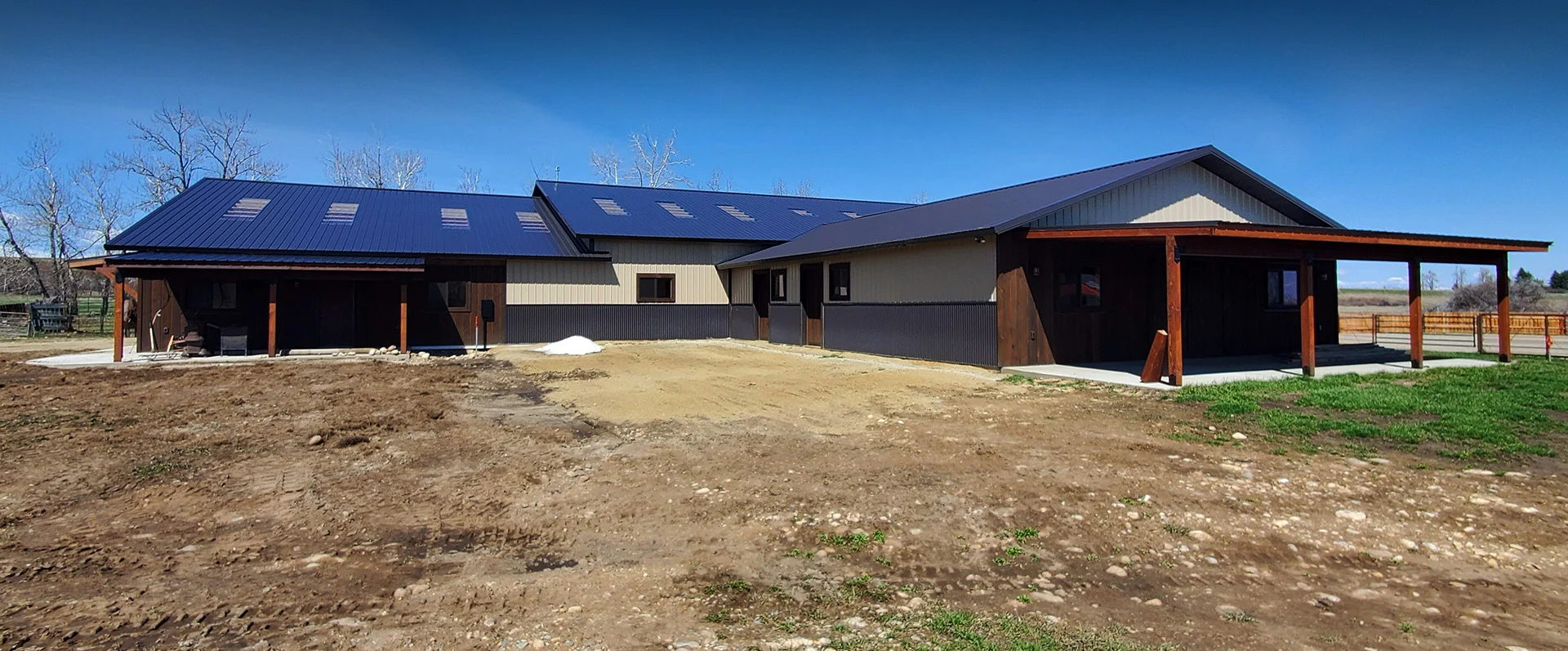
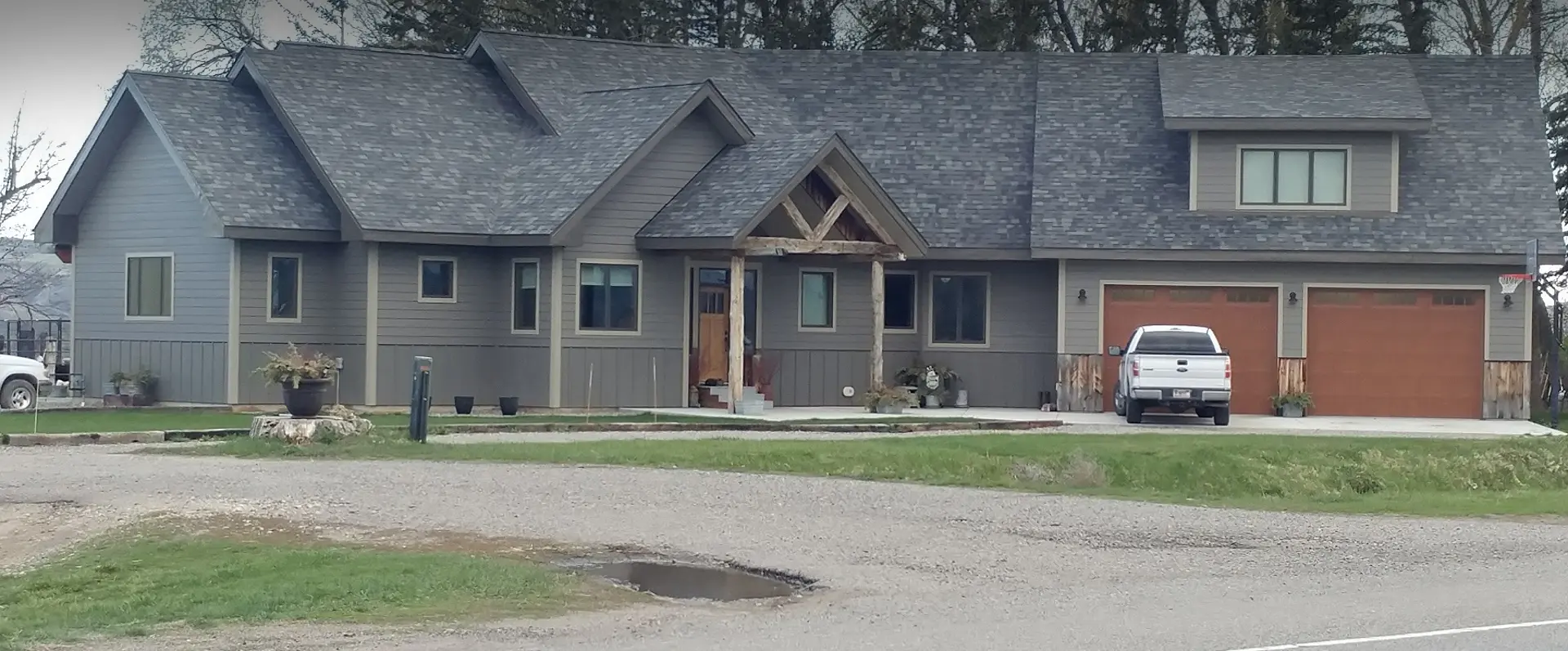
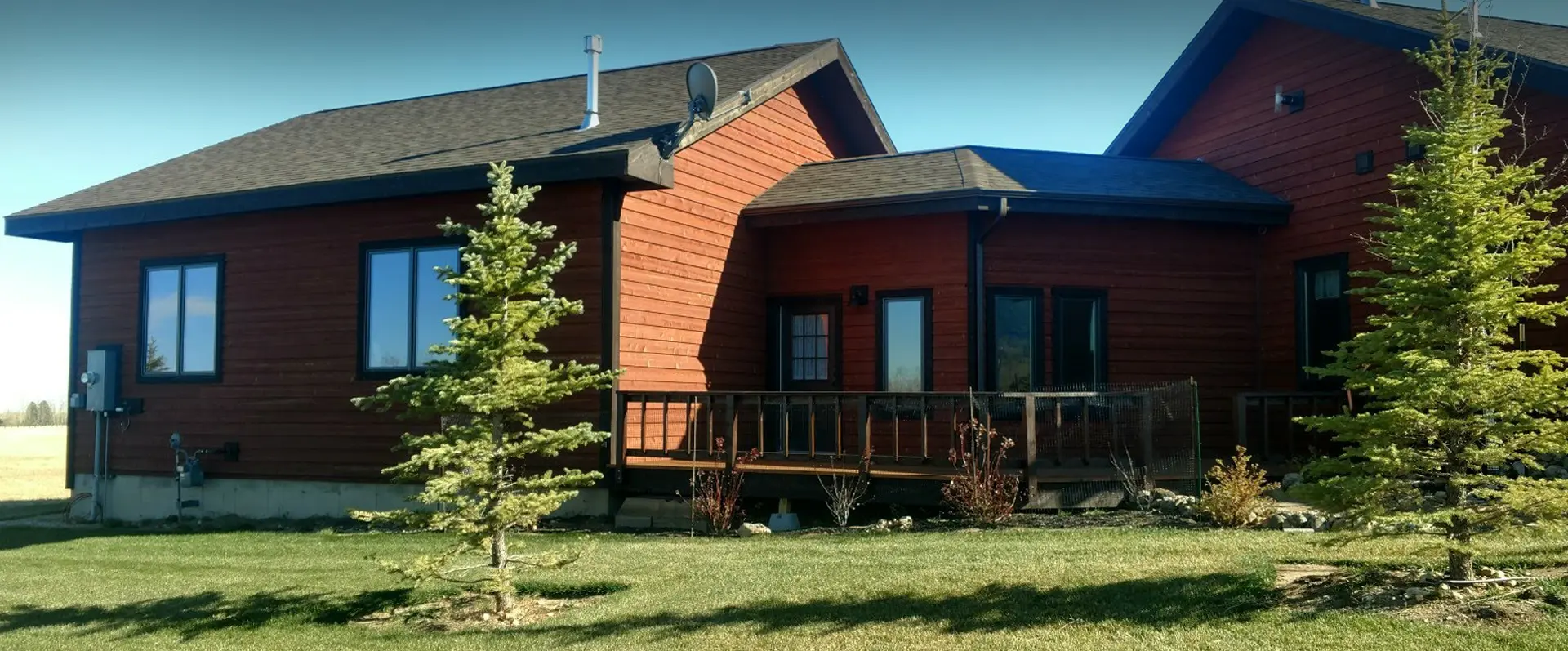
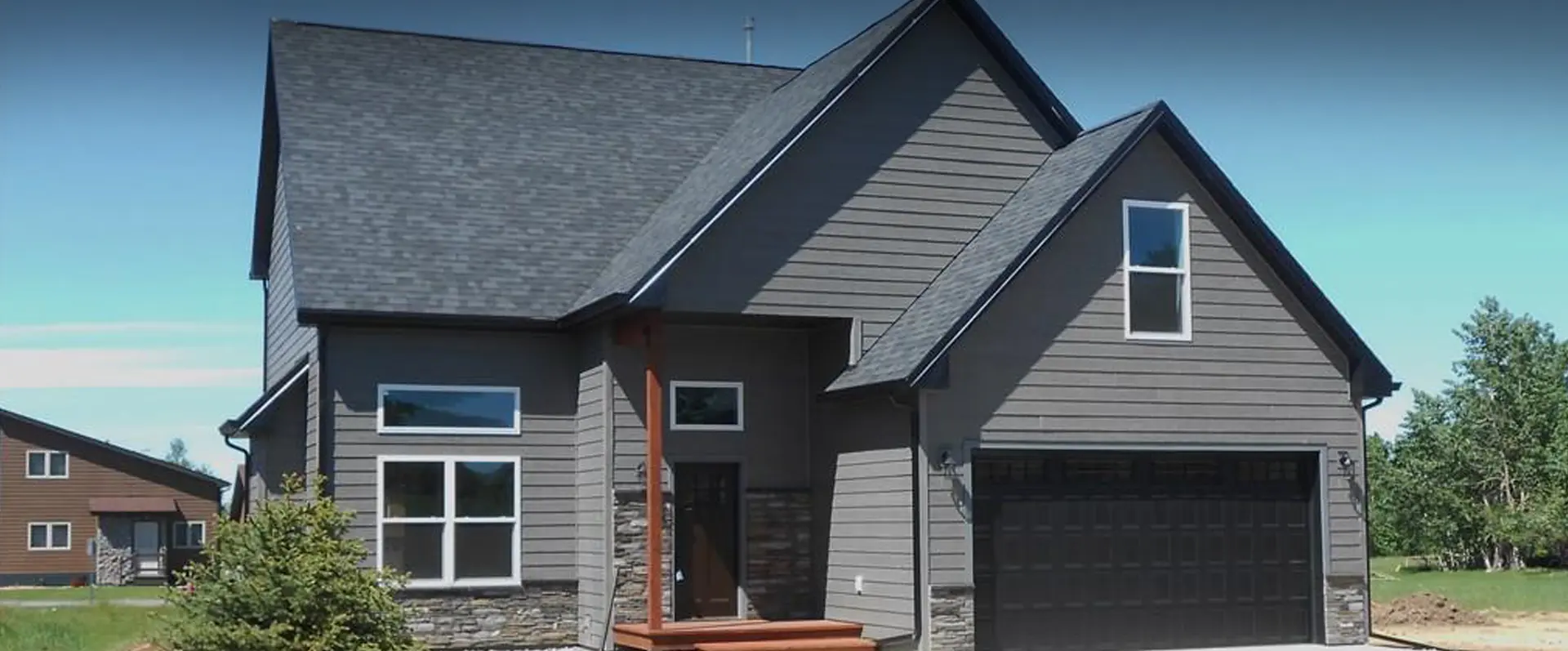
After 25 years building custom homes, we’ve learned a few things and work with only the best subcontractors around. Years and years of vetting subcontractors gives us a keen understanding of what good quality work looks like and how to work with and collaborate with others to keep your project running smoothly.
The most important thing is having a solid plan or set of blueprints. This helps guide us to understand your vision, the functionality you are looking for and your must haves vs your really wants! We will offer ideas on how to improve the functionality of your plan, compare costs of different aspects of your plan, and advise on the best ways to construct the plan.
The next most important aspect of creating a successful project is consistent, regular communication with you. There will be hundreds of decisions to make and sometimes we will need quick, decisive action from you. Other times we’ll be able to give you options and have you ponder the choices. Either way, being able to talk regularly and have decisions made in a timely manner keeps the project running smoothly and on time.
there are basic steps to construction that follow a timeline. These steps need to take place in succession so that steps are completed and ready for the next stage.
How to launch your building project
1
Step 1
Find a draftsman or architect you trust and begin to lay out the footprint of your project. It helps to see dimensions of existing rooms or buildings you like in order to get a visual feel for the space.
2
Step 2
Analyze the functionality of it by envisioning yourself walking through it and where you might want doors and windows, light switches, closets, storage and other items.
3
Step 3
Begin making initial decisions on materials, styles and looks you want. Paint colors, countertop materials, cabinet and interior door styles, light fixtures.
4
Step 4
Start finalizing the plans to include lighting locations, spaces for mechanical needs like furnace, air conditioning, water softeners. Make sure the drafstman or architect includes on the plans elevations, all dimensions, roof pitches, and foundation details.
5
Step 5
Bring us your finalized plan. We’ll study it and present you with questions and/or ideas depending on the construction techniques needed to build the structure.
6
Step 6
We’ll build an estimate based on the plans and the initial decisions from Step 3 and Step 4 to discuss with you and for your review.
Budget
lots of changes
Worst thing you can do!
Make lots of changes after the drawings are finalized. While it might look easy to move a wall on the drawing, it could lead to major shifts in the way plumbing or electrical is installed, or in the way the roof system is attached, or any number of problems can be caused by seemingly small changes.
EVERY CHANGE COSTS YOU MONEY AND TIME
The best way to have a successful project be on time and on budget is to hammer out all the decisions before excavation even begins.